






How to make homemade pizza: a beginner’s guide
From pizza dough recipes to top tools and expert instruction, we have everything you need to make pizza at home.

Date
June 3, 2026

Why make homemade pizza when a hot pie is just a phone call (or app swipe) away? For one, it’s more affordable. Secondly, it’s more customizable: Choose your favorite style(s), add your favorite toppings, opt for a gluten-free crust, tweak the sauce to your taste, and add some finishing touches. (We’re all in on hot honey.) And beside the practical reasons to make pizza at home, there's also another reason: It's fun. If you want to dive into making homemade pizza, here are the recipes, ingredients, tools, and tips you need.

For a classic, no-frills pizza: The Easiest Pizza You’ll Ever Make
The name says it all: This recipe is easy, straightforward, and forgiving. It’s made from pantry ingredients and uses basic techniques you’ll recognize if you’ve ever made yeast bread. You don’t need any fancy tools to make it, either (not even a baking stone or steel, though if you have one, great!). If you’re looking for a solid, foundational recipe to begin making pizza, start here.
For an easy pan pizza that doesn’t require shaping: Crispy Cheesy Pan Pizza
This recipe is universally adored, primarily for two reasons: It’s simple to make, and it delivers an irresistibly chewy, puffy, crispy pizza with gooey cheese on top. This is a great gateway pan pizza recipe, and because it’s baked in a cast iron pan, which conducts heat beautifully, you don’t need a pizza stone or steel, either.
For a wood-fired dupe that doesn’t require kneading: Artisan No-Knead Pizza Crust
If you’re looking to make a puffy, airy crust that mimics artisan pies, we suggest this no-knead crust, which gets its chewy texture from bread flour. Crucially, it doesn’t rely on a high-heat pizza oven to achieve its crackly crust, though a baking steel or stone is key to achieving maximum heat. And bonus: No kneading required.
For gluten-free pizza lovers: Gluten-Free Pizza Crust
If you don’t eat gluten but still want to enjoy great pizza, we’ve got you covered with this classic recipe. While it can be made with Gluten-Free All-Purpose Flour, our new Gluten-Free '00' Pizza Flour gives you an even closer match to the crisp, chewy crust of standard pies.

Pizza is a great beginner-friendly bake because it relies on basic, easy-to-access ingredients. These primarily include:
While not mandatory to making great pizza, you can also use flavorful ingredients to upgrade your pies even further, such as:
What flour is best for homemade pizza? In general, all-purpose flour will work for most standard pizza recipes, and it’s all you need to begin your pizza journey. It has enough protein (11.7%) to support a robust gluten network, translating to crust with plenty of strength and chew. Meanwhile, for thick, chewy pan pizzas, such as this Weeknight Detroit Pizza, we like bread flour; the higher protein (12.7%) means a stronger, more stretchy dough, which is critical for a puffy, airy crust with lots of chew.
If you want to take a step beyond beginner pizza recipes and make Neapolitan-style pizza, with its bubbly edge crust (called a corncione), choose '00' pizza flour. This is a finely milled flour made from both hard and soft wheat. The hard wheat gives the dough strength, so it can be stretched thin without tearing (and gives the finished pie its distinctive chewiness). The soft wheat provides extra starch, which gives the dough the perfect crisp (but not hard!) crunch and makes it easier to stretch. Pick up a bag and start baking Neapolitan-style pizza once you’re comfortable with the basics of pizza-making and want to expand the styles you’re making at home.
Learn more: Which flour is best for your pizza?
What’s the best cheese for pizza? When topping your pizza, you want to consider flavor, meltability, and stretchability. Our recommendation is low-moisture whole milk mozzarella; provolone is another great option. See our full testing and cheese recommendations here.
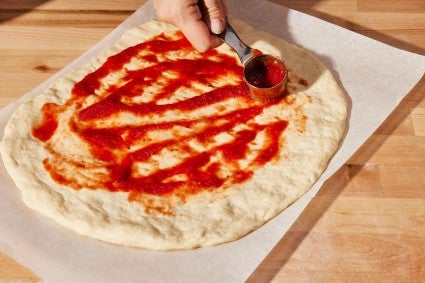
The absolute easiest homemade pizza sauce — and the one we use in our Book of Pizza — is a no-cook tomato sauce made with canned tomatoes.
How to make homemade pizza sauce: Strain a can of peeled whole tomatoes, then pour into a blender or food processor. Add salt (1 teaspoon salt per 28-ounce can tomatoes), then pulse the tomatoes a few times to a coarse consistency. That’s it! Use immediately or transfer to a lidded container and refrigerate for up to five days.
(When it comes to canned tomatoes, we love the tomatoes from Bianco DiNapoli; we also like Cento brand tomatoes.)
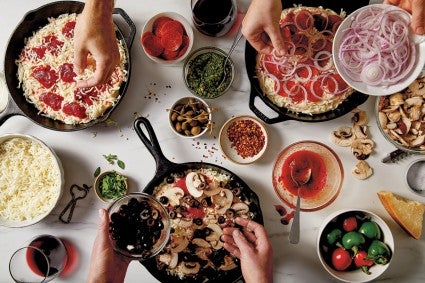
Many people don’t put much thought into their pizza toppings; they just dump whatever sounds tasty on there. But the toppings you add — and how you add them — is actually a crucial step in the pizza-making process. Remember that less is more: Don’t overload your pizza with toppings, or else you may weigh down your pizza and add too much moisture. This, in turn, prevents your crust from fully browning, and you could wind up with a pizza that has a flabby bottom crust instead of a crispy one.
We also highly recommend roasting vegetables before putting them on your pizza, especially if they’re high in water, like mushrooms, peppers, and onions. Not only does this add another layer of flavor, but it also ensures your vegetables are fully cooked, as often the pizza bake time isn’t long enough to actually cook most vegetables through. Tender vegetables, like zucchini and tomatoes, should be salted and left to drain before you add them to your pie, and greens, including spinach and kale, should be sautéed before they hit your pizza. Similarly, sauté any meats that may be high in fat, like Italian sausage. You don’t have to completely cook the meat, but you do want to release some of the fat so that your pie is not overwhelmed by it, as excess fat can also weigh down your crust.
Learn more: How to add pizza toppings — the right way

You don’t need much to make basic pizza! We recommend two key beginner tools to get started:
Next-level tools to step up your pizza game, once you’re ready to invest:
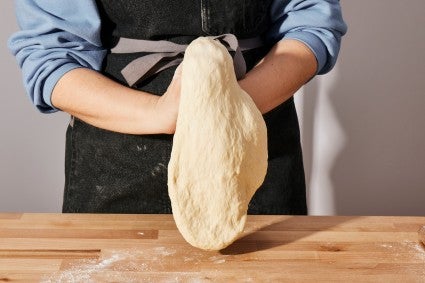
How to stretch and shape pizza dough: This can be a tricky step, but there are many ways you can do it, so find the one that works best for you (and your recipe). We have five different methods, each with a video tutorial, that range from stretching with your hands to draping over your knuckles to using a rolling pin. Watch our video tutorials: How to shape pizza dough.
How to load your pizza in the oven: You’ve done all the work to make a beautiful pizza dough and topped it with sauce and cheese. Now all you have to do is bake it — don’t stumble at the final hurdle! To ensure your pie goes in the oven without a hitch, read our blog on the stress-free way to load your pizza in the oven.
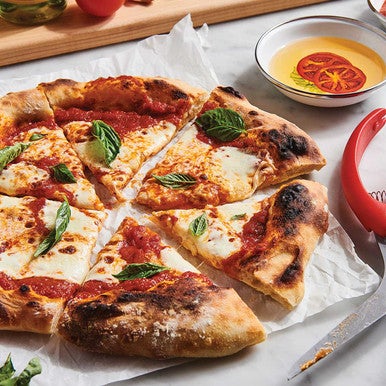

Cover photo and food styling by Liz Neily.