





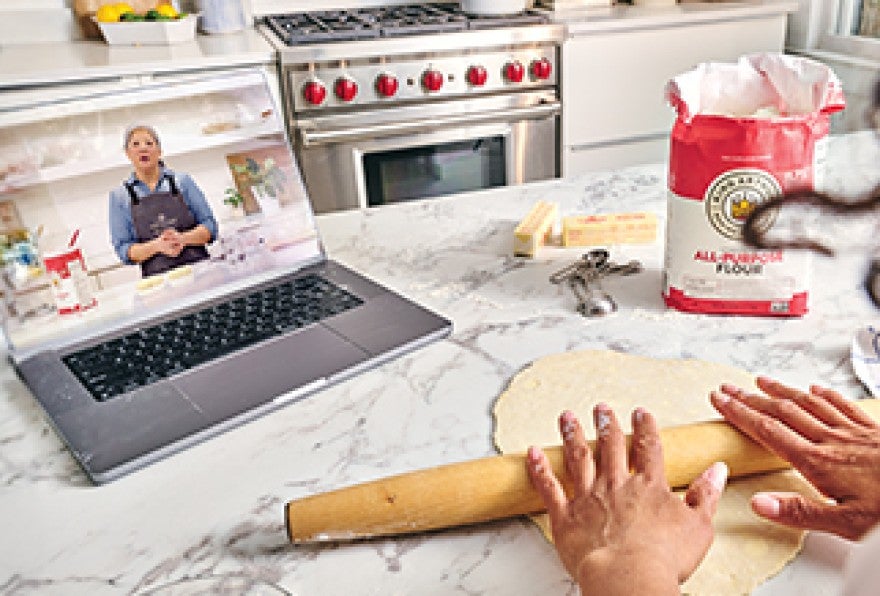



From biscuits to pie crusts, flaky layers are a goal every baker strives for. And countless tips abound to achieve success, including using ice cold water, folding your dough, and choosing the right butter. The one that pastry chefs and cookbook authors swear by, though? Grating your butter with a box grater.
The concept is similar to working cubes of cold butter into a flour mixture using your hands or a pastry cutter, incorporating them until they resemble small peas. However, using grated butter is an easier and less messy process that also delivers the best (and flakiest!) results. Here’s why bakers love it.
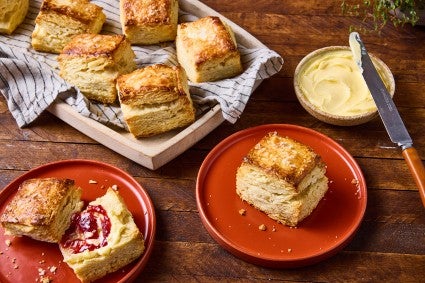
Sarah Jampel, King Arthur’s Recipe Development and Test Kitchen Manager, experimented with lots of techniques for incorporating butter while developing her Ultimate Flaky Biscuits. Her favorite, by far, was grating the butter. (Surprisingly, she does this using the slicer side of the box grater — more on that below!) Jampel notes that part of the appeal of this method is that it allows you to more quickly and efficiently prep and incorporate a large amount of butter into the flour mixture. But it’s not just a time-saving method. “Cutting in butter, especially if you're working in a warm environment or have warm hands, can lead to butter that's too soft; the pieces are all inevitably going to be different sizes,” she says. By grating that butter, you can ensure that the butter shreds will all be the same size, which will yield more consistent biscuits.
Top Chef winner Mei Lin also values the consistency this technique offers over a traditional cut-in method, which is why she grates butter for her popular Cheddar Scallion Biscuits. “Grated butter creates finer, more consistent strands of fat throughout the dough. As the butter melts in the oven, it releases steam in a more uniform way, which gives you more even lift, a softer, more tender crumb, and defined layers without feeling greasy or heavy,” Lin says.
And this technique isn’t always just for butter. Chef Gale Gand goes one step further and actually grates the entire ball of frozen butter-rich dough for her Hungarian Shortbread Bars, a recipe that was published in the cookbook, Baking with Julia. “The grating makes for a more airy, light textured shortbread dough and also allows you to distribute the dough over the pan’s surface without having to roll it out with a rolling pin,” Gand says. Even if she worked cold butter into the dough, she found that it became too mushy from the warmth of her hands when pressed into a pan. By freezing then grating the dough, she ensures the butter — and entire block of dough — stays as cold as can be before baking, ensuring easy-to-handle dough and crisp, light-textured shortbread.
These recipes rely on cold butter for maximum flakes, so you might think that the colder the butter, the better. And some bakers agree, opting to go a step further and freeze the butter before grating it. Mei Lin, for example, prefers using frozen butter because she finds that it holds its shape better than cold-from-the-fridge butter in the pastry mixture, which she says can clump or blend too quickly.
But the freezer isn't always better. When the King Arthur Test Kitchen was developing this Flaky Puff Crust Pizza, they found that a stick of frozen butter was too hard and slippery to grate easily, which could lead to injury. Instead of freezing the butter in advance, Sarah Jampel recommends grating a stick of cold butter, then popping the shreds in the freezer for 10 to 15 minutes to firm back up before adding to the dough, as demonstrated in this video:
Both Gand and Lin favor the largest holes on a box grater for grating butter. It’s also what’s recommended for this Croissant Sourdough Bread and Flaky Puff Crust Pizza, which are made by folding grated butter into the bread and pizza doughs. The small shreds are easy to work with and distribute evenly, particularly when sprinkling over a yeasted dough.
You can, however, choose a different route. For her biscuit recipe, Jampel took advantage of a less utilized side of the box grater — the slicer, which produces long, thin sheets of butter. “Whereas the small shreds of grated butter distribute evenly throughout the biscuit, the larger pieces of sliced butter remain in distinct pieces — you'll see the butter in the dough as you roll it out and stack it. These pieces of butter will steam in the oven, contributing to the layered effect in your biscuits.” (One handy tip: Lightly coat the stick of butter in flour before grating to make it easier to handle and prevent it from melting in your hands.)
With so many chefs singing the praises of this technique, don’t be surprised when we start referring to the old-school box grater as a butter grater instead.
Ready to bake some biscuits? Find 15 of our best biscuit recipes for fluffy, flaky, buttery bakes. And if you're looking to make sky-high biscuits, watch Martin make Sarah's Ultimate Flaky Biscuits (grated butter included!):
Cover photo by Patrick Marinello; food styling by Yekaterina Boytsova.