



How to season a cast iron skillet
Plus, how to shop and care for cast iron.

Date
November 9, 2015


Paired with the right recipe, there's no more salt-of-the-earth cookware than cast iron. From bacon and eggs to the perfect pie crust, it's the right tool for kitchen tasks that call for even, steady heat.
We know cooks who treasure skillets from their grandparents, and beginning bakers who scour yard sales and flea markets to get their collections started. When it comes to cast iron, there's no better friend in your kitchen or at your campsite. But you also want to make sure that you're caring for your cast iron the right way. Here's how to season it, plus how to hunt down vintage finds and bake with them.
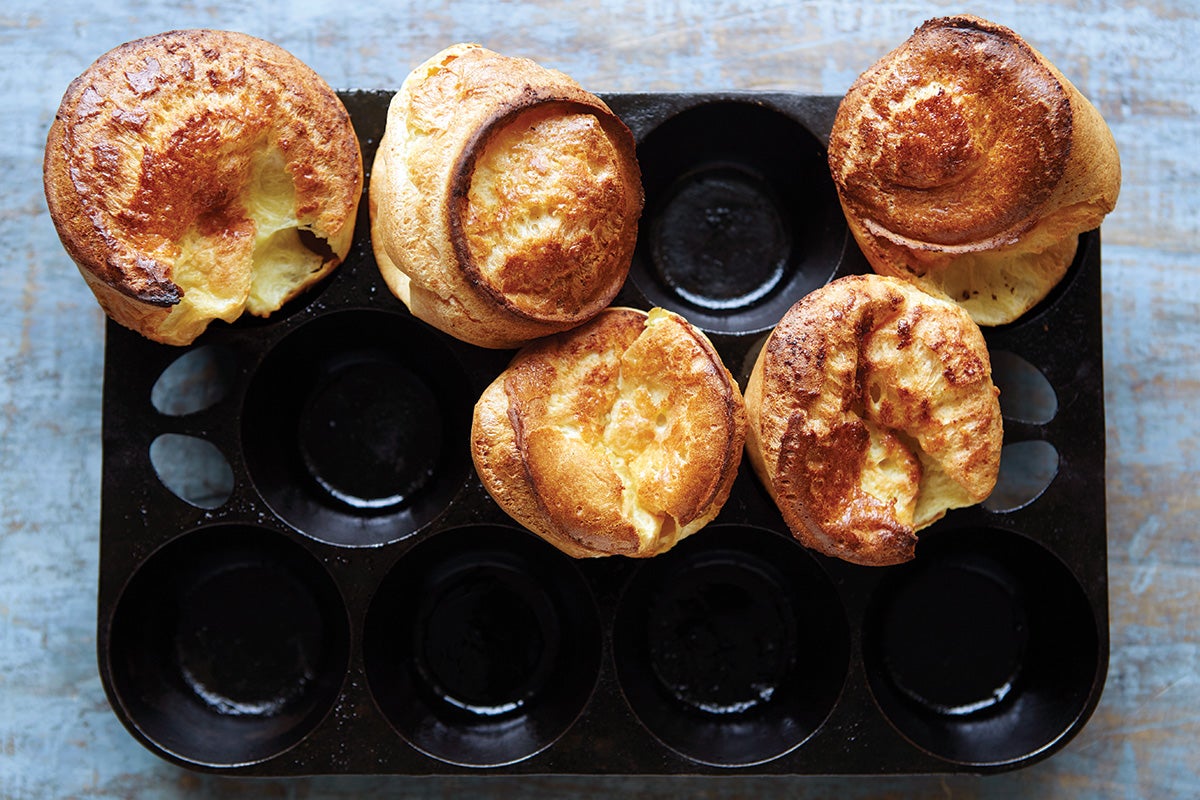
Cast iron is porous, and to reach its full cooking and baking potential, it needs to be sealed, or seasoned, with oil. No matter how ratty a pan may look at the bottom of that pile in a barn, cast iron can almost always be brought back to life.
Wash the pan well, scrubbing away rust with fine steel wool. Dry thoroughly, either over low heat on the stove, or in a 300°F oven.
To season your pan, rub it all over with peanut oil or vegetable shortening, until it's completely coated. Bake for 90 minutes in a low oven (300°F), then wipe off any excess oil with absorbent paper. Or, if you happen to have access to a restaurant fryer, just drop it right in and leave it in the 350°F oil for half an hour.
A well-seasoned pan is very non-stick, and can be moved with ease from stove to oven to campfire. After each use, wash with water and a scrubbing pad only (some purists scrub only with a mixture of kosher salt and oil). Be sure to dry the pan thoroughly, wiping it lightly with oil afterward to keep it from rusting.
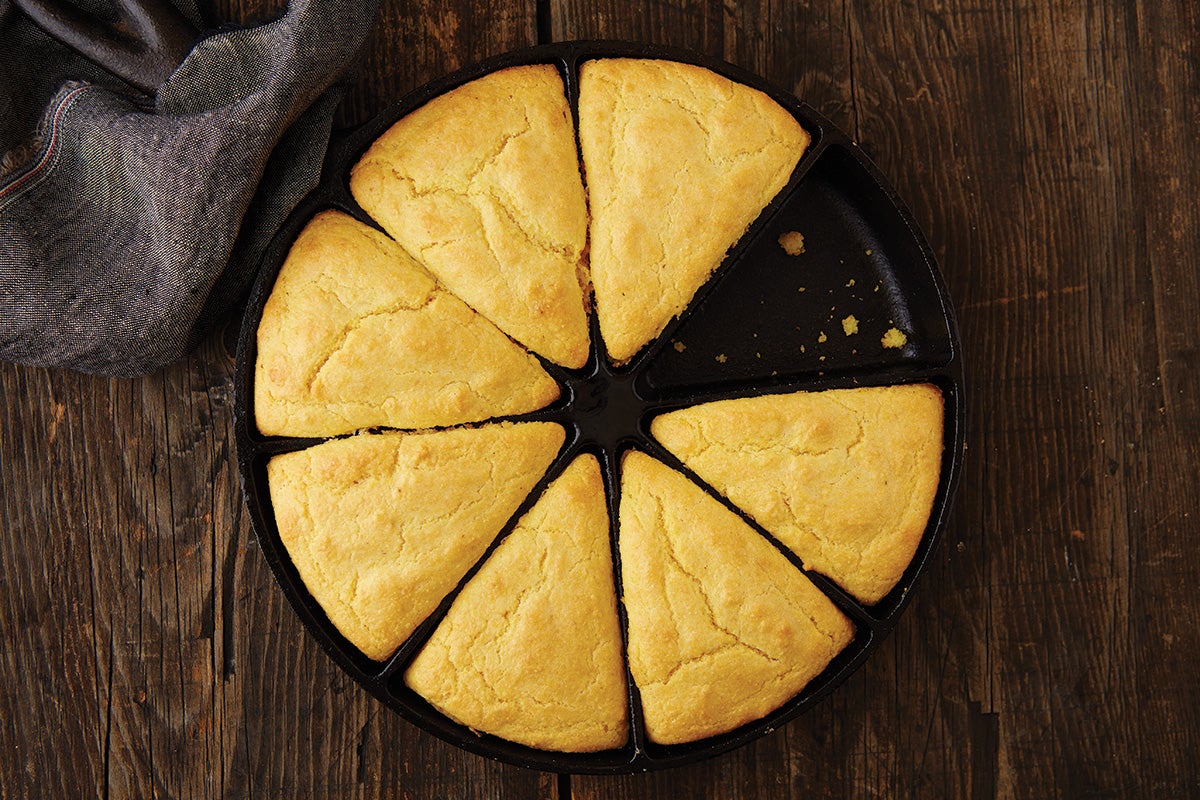
The best cast iron buys are often found in barns, attics, and garages; the rattier it happens to look, often the better the price. Avoid pans that are:
Don't be afraid of:
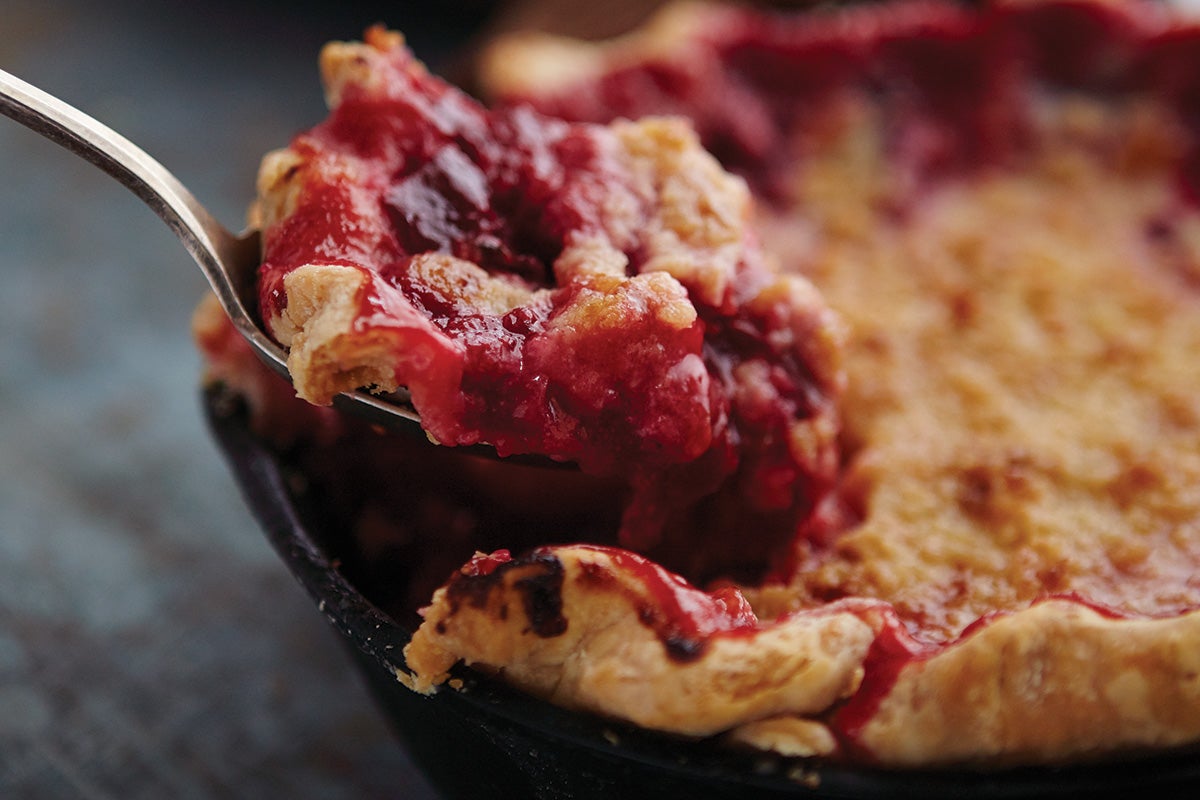
Keep an eye out for cast iron cooking treasures on your next flea market or antique shop adventures, and get ready to put them to use baking everything from cornbread to pie.