




You can (and should!) make chocolate ganache with water
For purest chocolate flavor, ditch the heavy cream.

Date
March 5, 2026

If you’ve melted solid chocolate, you know that even a tiny bit of water inadvertently splashed into the bowl can make that beautifully smooth, glossy chocolate “seize,” turning it into a dry, dull, grainy mess. Melted chocolate and water just don’t mix!
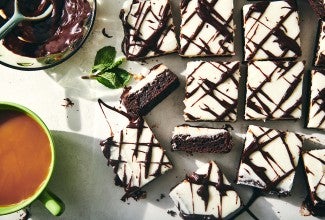
Meet water ganache, regular ganache’s simplified sibling. While a standard ganache combines heavy cream and chopped chocolate, water ganache substitutes water for cream, resulting in a glaze, sauce, or filling that brings its own special attributes to the table.
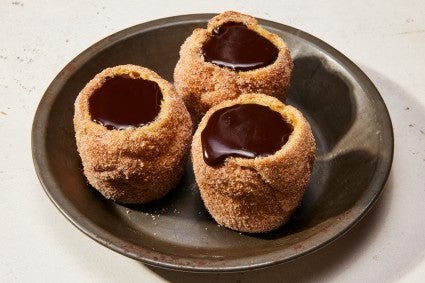
Using water instead of heavy cream sharpens the ganache’s chocolate flavor: The milk solids, sugars, and fat in heavy cream tend to mute the subtly fruity notes of a deeply bittersweet chocolate, or the mild tang of milk chocolate. Water, meanwhile, lets these flavors shine. The benefits can also just be practical: While heavy cream probably isn’t one of your fridge staples, water is always available (and free!). And, as an added benefit, substituting water for heavy cream makes ganache dairy-free and vegan (if using vegan chocolate).
Wilhelm Wanders, a King Arthur Bakery pastry chef and expert chocolatier, notes, “I had my doubts in the beginning, having only made French ganaches with cream and chocolate, but I became a fan. Water ganache is quick and easy, it stays fresher longer in the refrigerator, and it’s easier and safer to reheat. It's also less rich than ganache made with dairy,” he concludes — which might be just what you're after at times.
The key to successful water ganache is identifying the perfect ratio of water to chocolate. There are two factors to consider when determining that ratio:
The greater the amount of cocoa solids in your chosen chocolate, the more water you’ll need. Thus, bittersweet chocolate, with its higher percentage of cocoa, will need more water than a lower-cocoa semisweet chocolate. And making a thin, easily pourable ganache (think chocolate drizzle atop a frosted cake) requires more water than a thick filling-type ganache, something you might use to fill sandwich cookies or make candy.
Once you’ve chosen your chocolate and decided on the ganache’s desired consistency, you’re ready to begin.
How to determine the ratio of chocolate to water: It may take a bit of experimenting the first time around to determine how much water to use. A good starting point is one part water to two parts chocolate, by weight; e.g., 85g (6 tablespoons) water to 170g (1 cup) chopped chocolate.
For chocolate with a cocoa percentage from about 45% to 65% (semisweet or “dark” chocolate), this will produce a ganache that’s soft but spreadable: the lower the cocoa percentage, the softer the ganache will be. For firmer ganache, cut back on the water a bit.
For chocolate with a higher percentage of cocoa solids (typically over 65%, often labeled bittersweet), use equal amounts water and chocolate by weight. The ganache will be stiff and solid when cool. If you’re dipping cookies, do it while the ganache is hot and liquid. To use as filling, wait until it’s cooled and set enough to be spreadable. For a softer, more spreadable bittersweet ganache, increase the water slightly.
The method for making water ganache is essentially the same as regular ganache. Start by putting chopped chocolate or chocolate chips into a heatproof bowl. Bring some water to a boil; heat more than you think you’ll need. This is important; if you measure out exactly the amount of water you need then bring it to a boil, evaporation will throw off your ratio. So be generous with your starting amount.
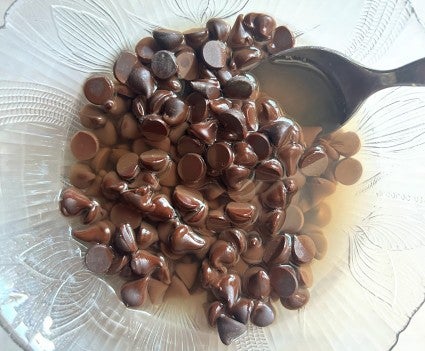
Carefully measure out the hot water (a scale makes this easy), then drizzle it evenly over the chocolate. Wait a couple of minutes for the chocolate to soften, then start stirring. The mixture will feel uncooperative at first but, like standard ganache, will eventually coalesce. If you’re left with any solid bits of chocolate, let the ganache rest for a couple of minutes, then stir again until smooth.
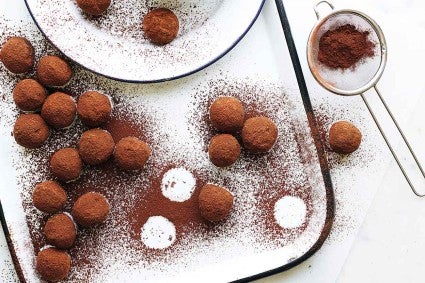
Keep in mind that water ganache will thicken considerably as it sits at room temperature, more so than cream-based ganache. Water ganache that starts soft and spreadable (think mayonnaise) will become thick as clay within a couple of hours, perfect for filling cookies or rolling into chocolate truffles. Water ganache that’s thin and pourable when just made will be creamy and spreadable a few hours later. Be patient: Keep in mind your desired end result, then give your ganache time to get there!
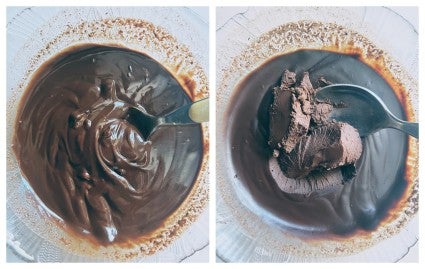
You may discover that the completely cooled ganache is a bit grainy, even though it seemed smooth when it was hot. If so, simply reheat (slowly and gently, in the microwave or using a double boiler), stirring until it liquefies again. Whisk vigorously, and let cool. The graininess should disappear.
Cover any leftover ganache and store it at room temperature for a day or so; or longer in the refrigerator.
Melanie Wanders, a member of the King Arthur Research & Development team, points out that this method can be used to save a bowl of seized chocolate. “I first learned about water and chocolate ratios when a small amount of water dripped into the chocolate I was melting over a double boiler. After stirring it in, I was left with a hard, crumbly mess. At that time, I threw the chocolate out. Today, I would just keep adding more hot water to it to see if I could turn it into water ganache and not waste it!”
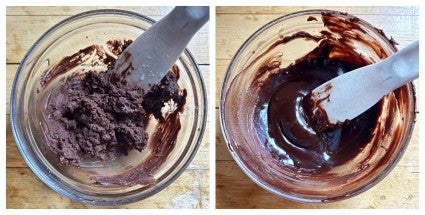
There’s no need to discard melted chocolate that’s seized. Simply heat enough water to produce the consistency of ganache you want, and drizzle it in, stirring all the while. The melted chocolate will become a lovely, smooth water ganache. If you’re left with a few small lumps at the end, reheat the ganache briefly, let it rest, then stir again to melt the lumps.
Whatever type of solid chocolate you choose for your water ganache, it should be chopped into small pieces before you combine it with any liquid. Discover the best way to chop chocolate.
Cover photo by Patrick Marinello; food styling by Yekaterina Boytsova.