




Bread Flour English Muffins

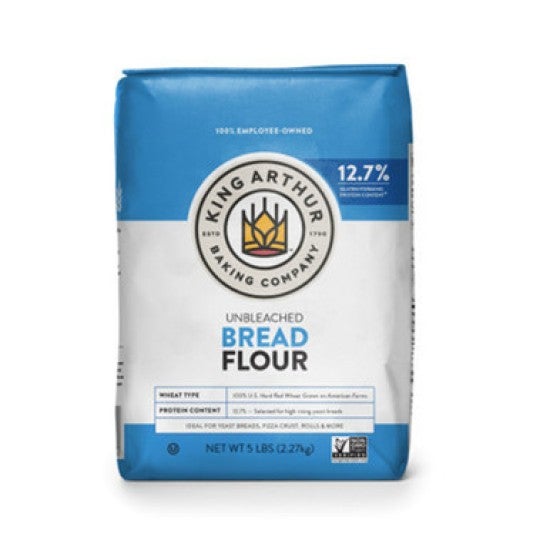
This version of homemade English muffins is easy to fit into your weekend baking schedule. They're faster than other yeasted recipes that require an overnight starter or long initial rise but still have the signature crisp crust and moist interior with lots of nooks and crannies, thanks to bread flour. 

Test Kitchen notes:
  • This soft dough is difficult to mix by hand; it's easiest to use the flat beater attachment of a stand mixer or the bread machine set to the dough cycle.
  • Using two griddles allows you to cook all the English muffins at once; if you don't have two griddles, let one batch rest in the refrigerator while the first batch bakes. 
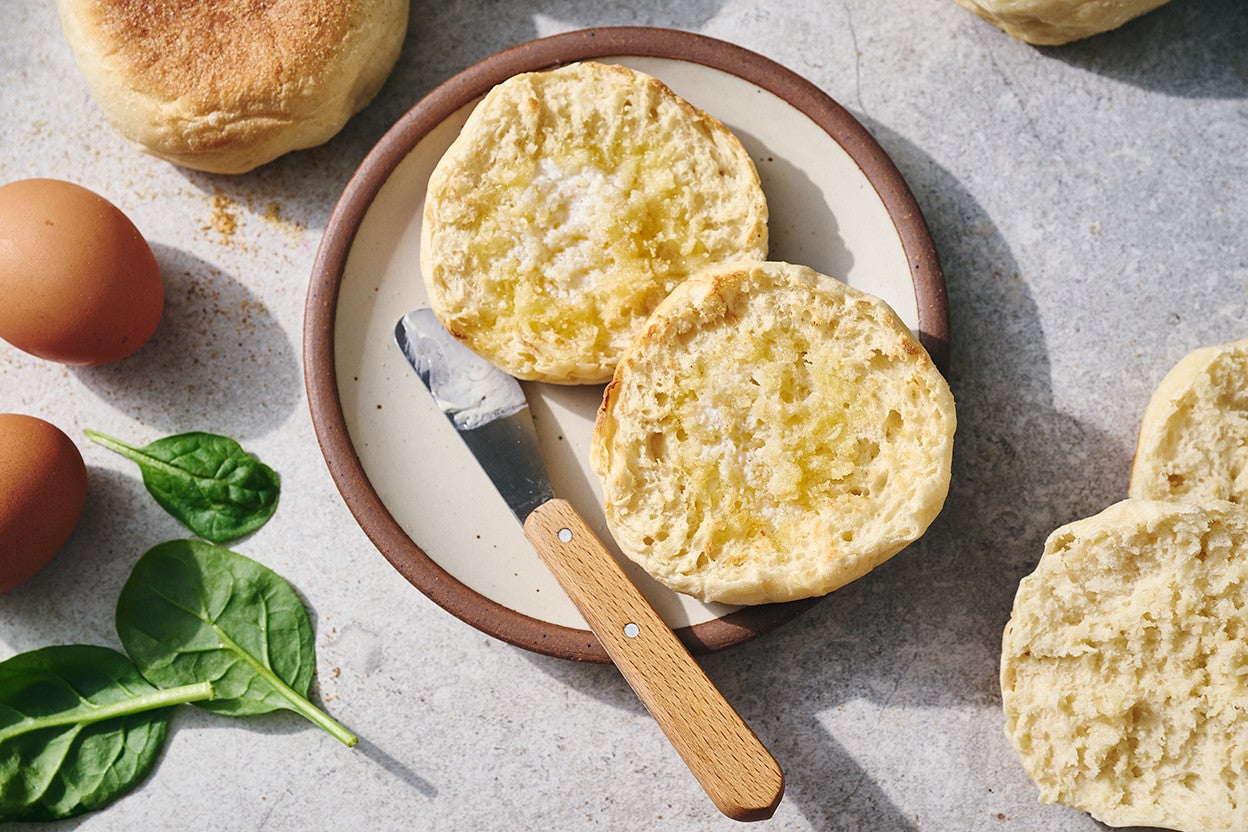
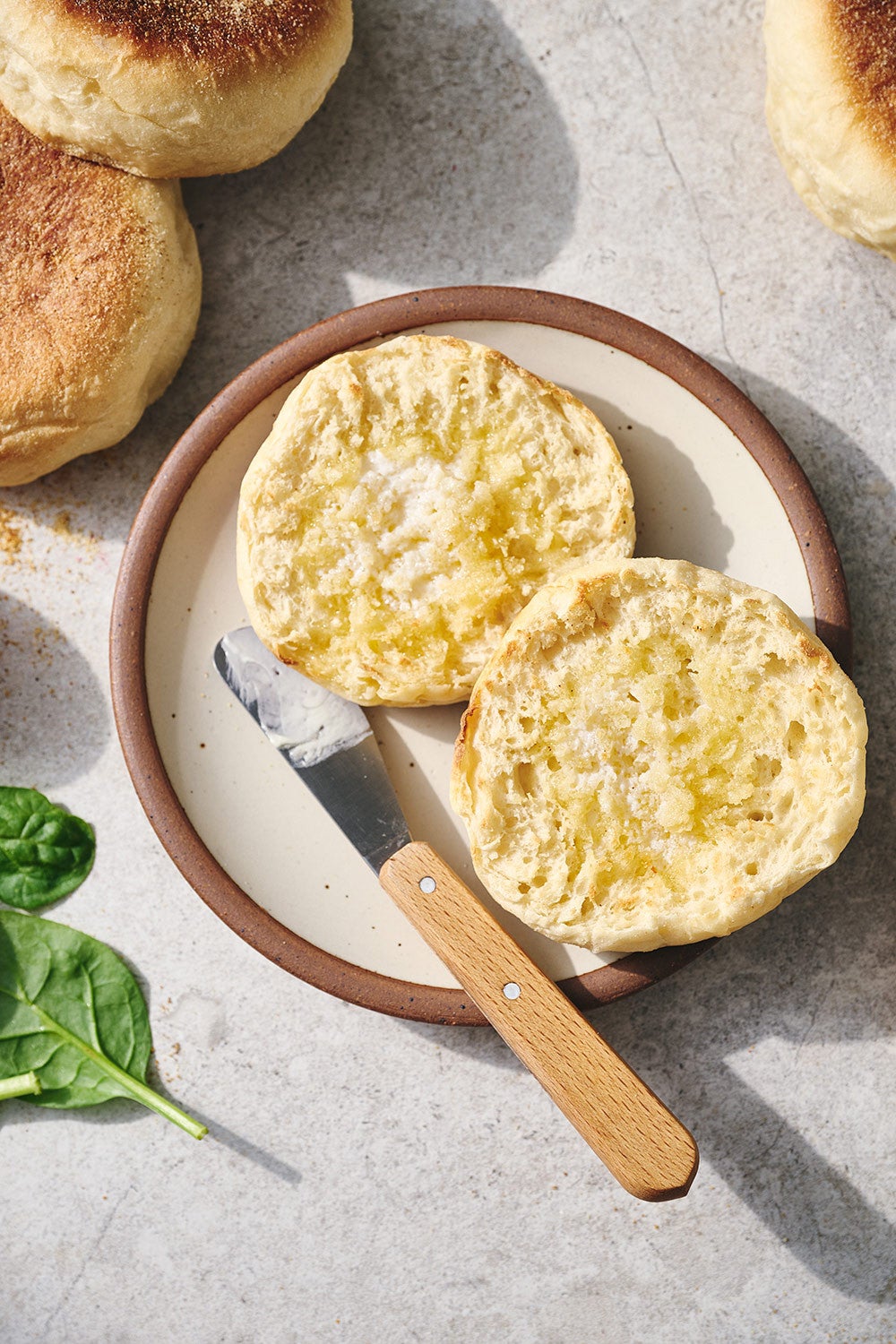
  • Remember: Use a fork to split, not a knife to cut, for the most nooks and crannies.
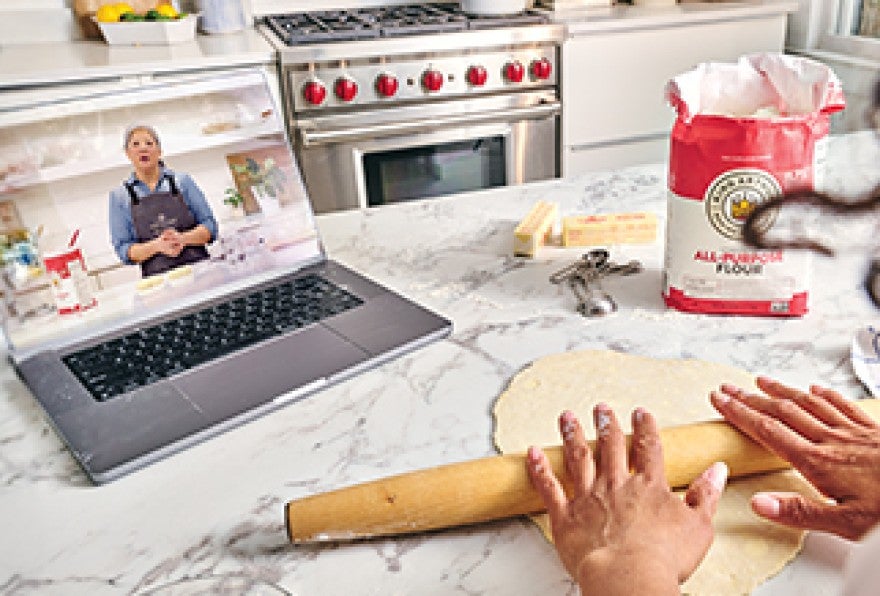
Digital On-Demand Baking Class: Brunch Bakes: Babka, Cinnamon Buns, and Beyond
Our Best Products

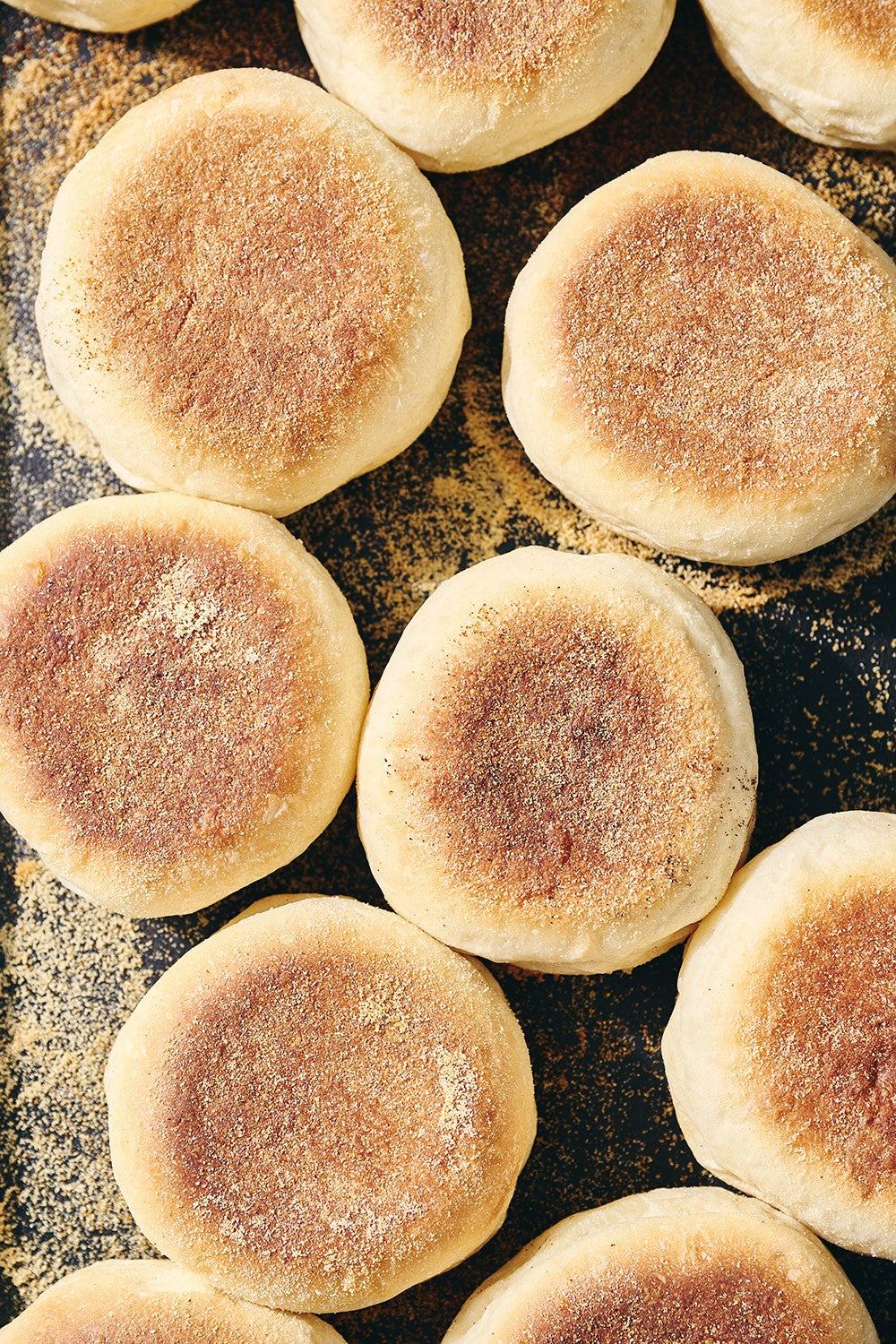
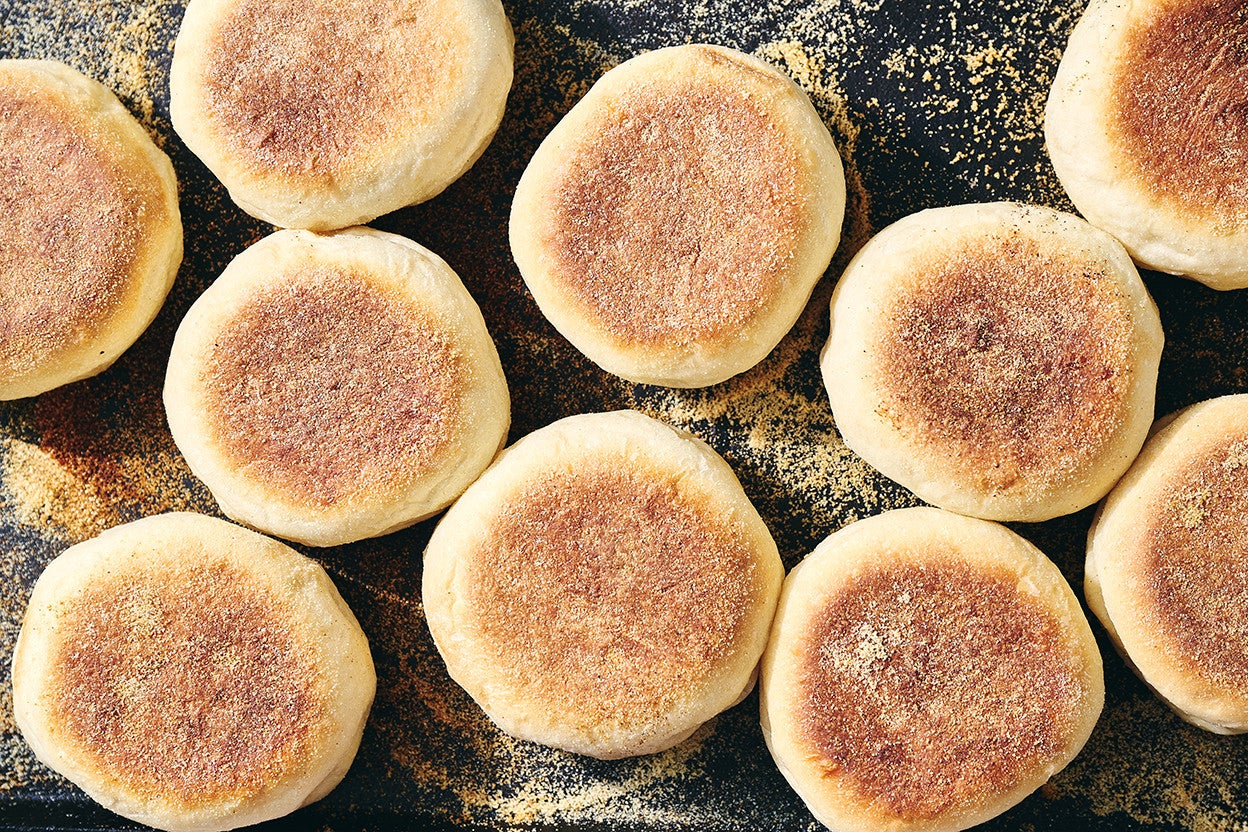
Instructions

Prevent your screen from going dark as you follow along.
  1. Weigh your flour; or measure it by gently spooning it into a cup, then sweeping off any excess. Combine all of the ingredients (except the semolina or farina) in a mixing bowl, the bowl of a stand mixer fitted with the flat beater attachment, or the bucket of a bread machine.

  2. Mix and knead the dough at medium-high speed (or use the dough cycle on the bread machine) until the dough starts to pull away from the sides of the bowl and becomes satin-smooth and shiny, about 5 minutes. When you lift up the beater, the dough will be very stretchy.

  3. Scrape the dough into a rough ball, and cover the bowl. Let the dough rise until it's nice and puffy; this will take 1 to 2 hours, depending on the temperature of your kitchen (see "tips," below).

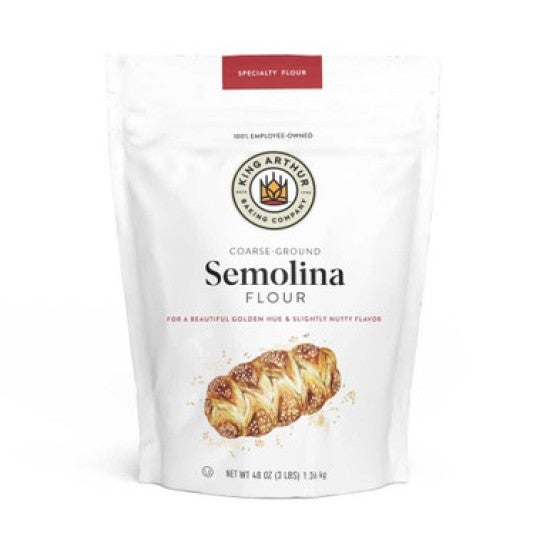
  4. Prepare your griddle(s): Whatever you use — an electric griddle, stovetop griddle, frying pan, electric frying pan — sprinkle it heavily with semolina or farina. If you're using a griddle or frying pan that's not well-seasoned (or nonstick), spray it with nonstick spray first, before adding the semolina or farina.

  5. Gently deflate the dough, and divide it into 16 pieces. Shape each piece into a smooth ball, then flatten the balls until they're about 3" to 3 1/2" in diameter.

  6. The easiest way to handle and cook these muffins is to lay them right onto the cold surface you'll be frying them on. That way, you don't have to move them once they're risen, and it won't harm them to begin cooking them very slowly as the griddle warms up to its desired heat. If you don't have enough griddle space to do this, sprinkle a baking sheet heavily with semolina or farina, and place the English muffins on the sheet; they can be fairly close together. Either way, sprinkle the tops of the muffins with additional semolina or farina.

  7. Cover the English muffins (a piece of parchment works well), and let them rest for 20 minutes; they should puff a bit.

  8. Cook the English muffins over low heat for 7 to 15 minutes per side, until their crust is golden brown, and their interior is cooked through. When done, the center of an English muffin should register about 200°F on a digital thermometer. If you find the muffins have browned before they're cooked all the way through, no worries; simply pop them into a preheated 350°F oven for about 10 minutes or so, or until they're thoroughly cooked.

  9. Remove the English muffins from the griddle (or oven), and let them cool thoroughly before enjoying. 

Tips from our Bakers

  • If your kitchen is on the cooler side, it will take longer for the English muffin dough to rise. To speed up the process, you can put the rising dough in the microwave with a cup of boiling water inside, in the turned-off oven with the light on, or on top of the refrigerator. Check out our blog post, Where to put dough to rise, for details. 

  • Thanks to bread flour, the rising English muffins hold their shape quite well without the support of rings. If you'd like to use them anyway, grease the insides with nonstick spray and place one round of dough inside each ring before rising. Use tongs to carefully remove the rings once the English muffins are fully baked.

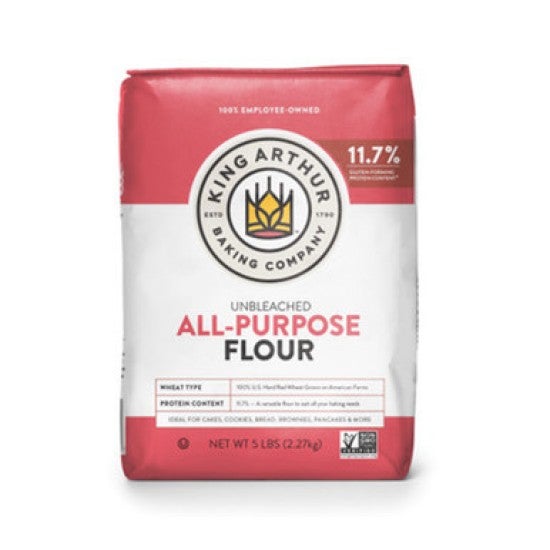
  • Swap in an equal amount of all-purpose flour, if you like. Hold back several tablespoons of milk and add it only if the dough feels stiff or dry. Note that English muffins made with all-purpose flour likely won't rise quite as high and will have a slightly less chewy texture than those made with bread flour.