




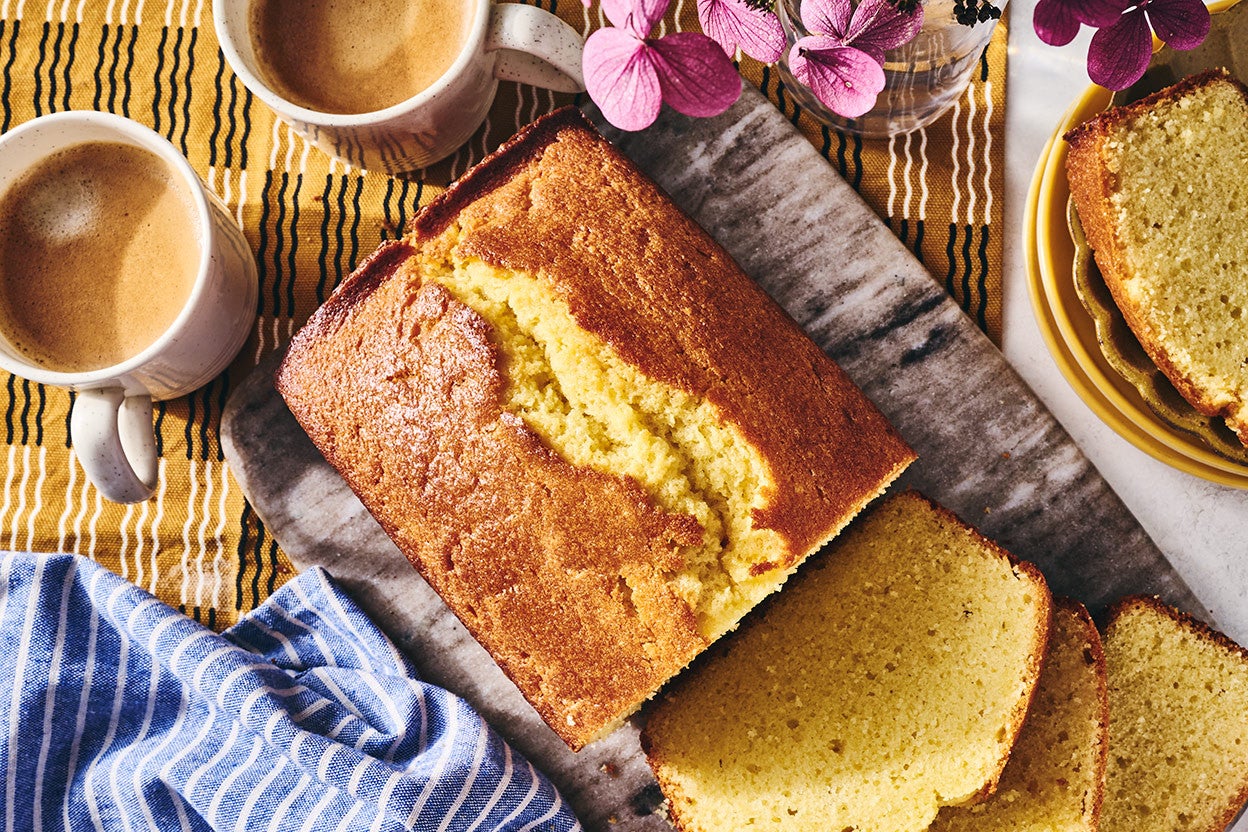
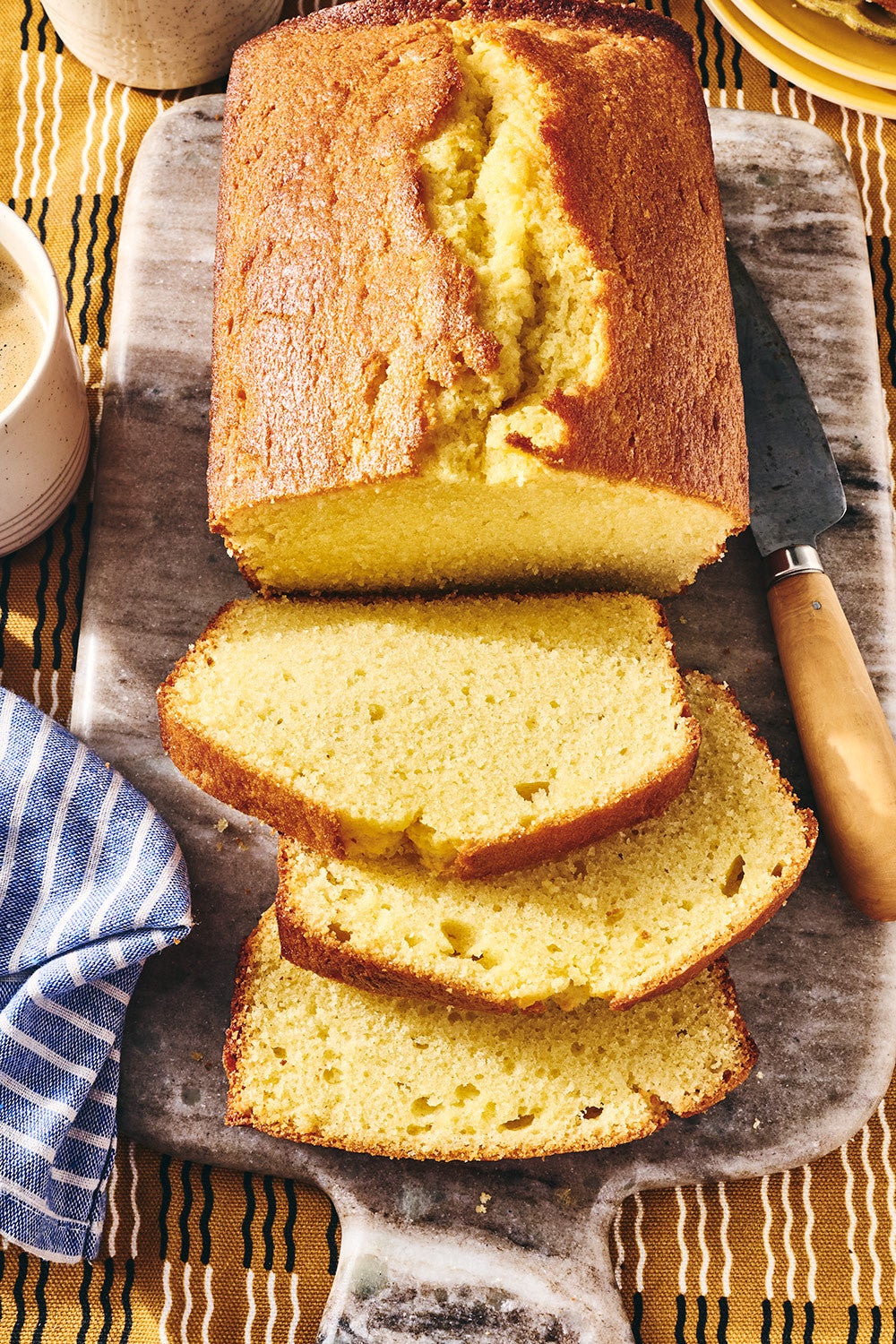
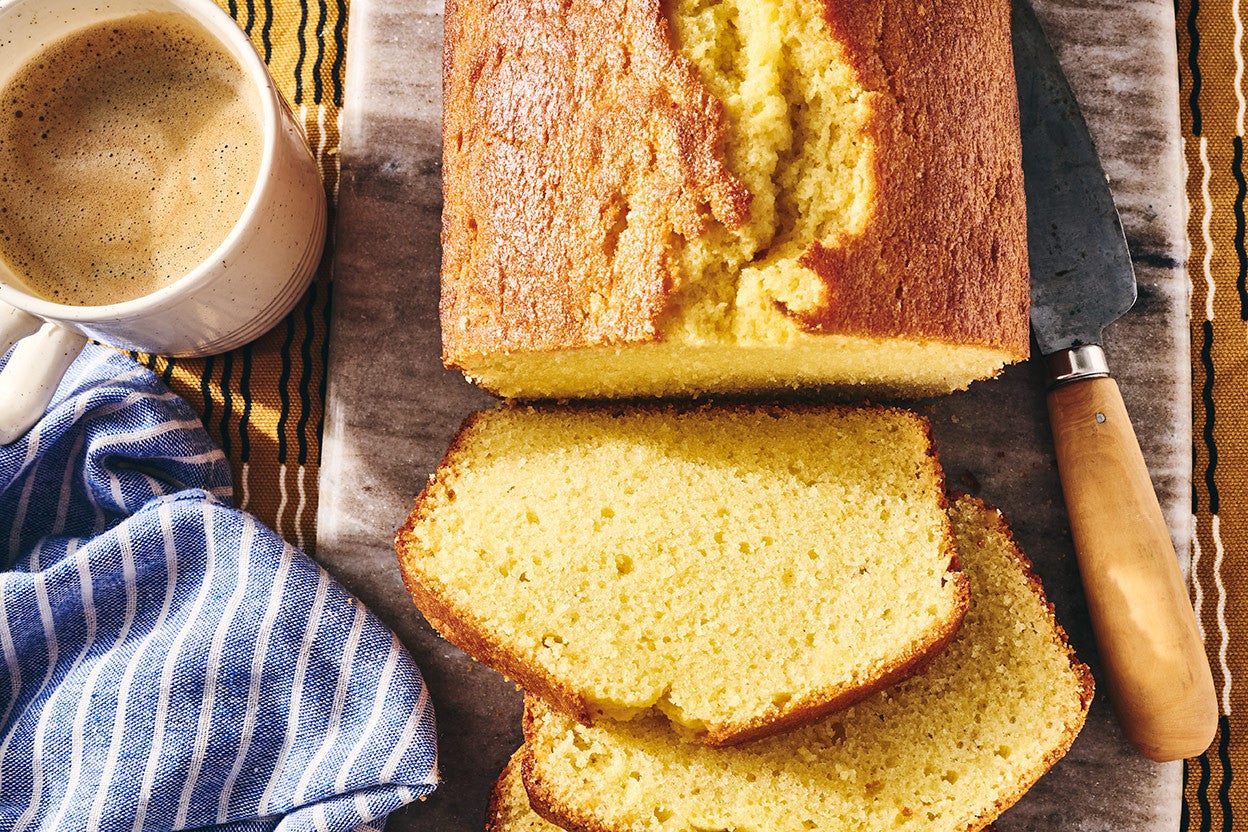
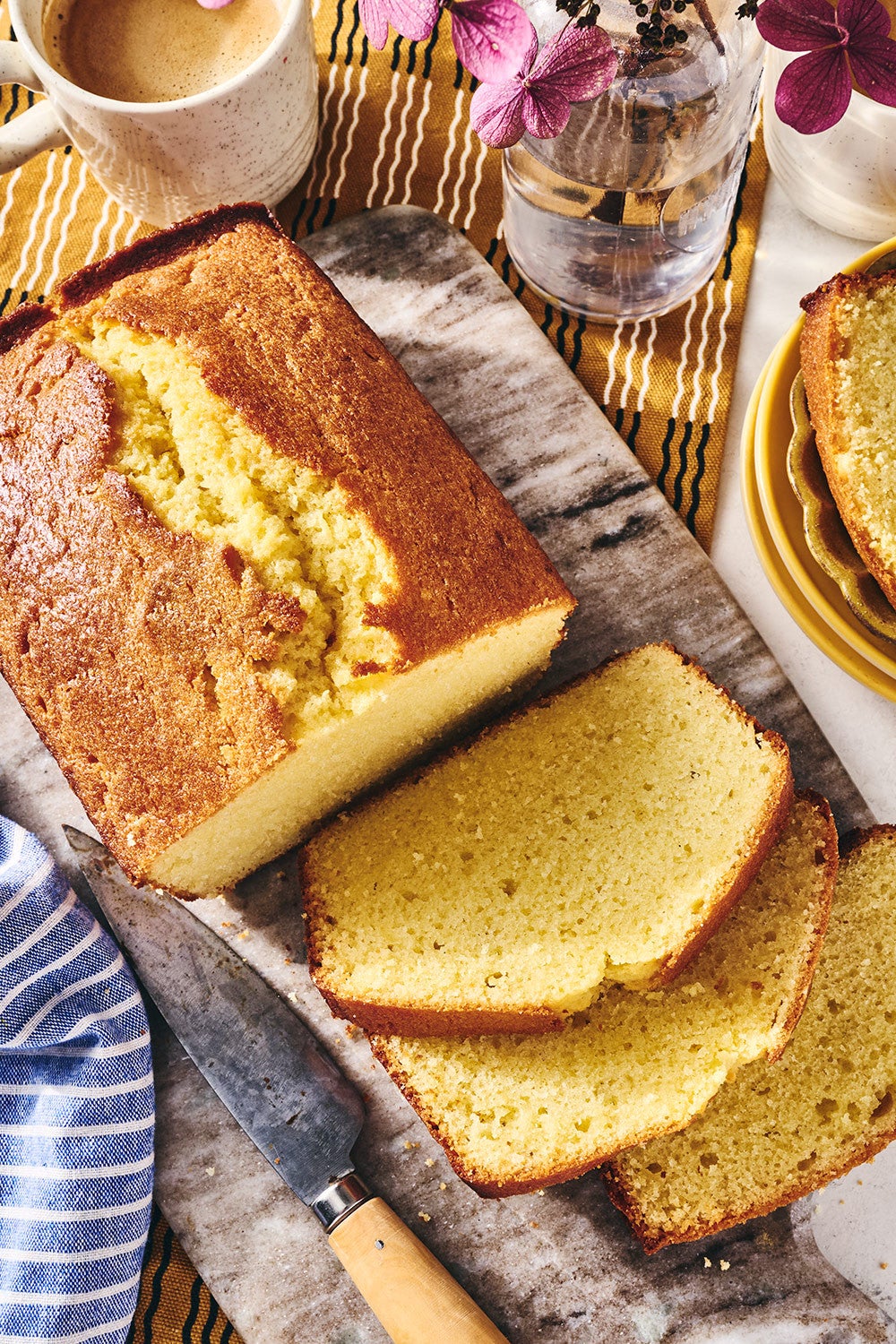
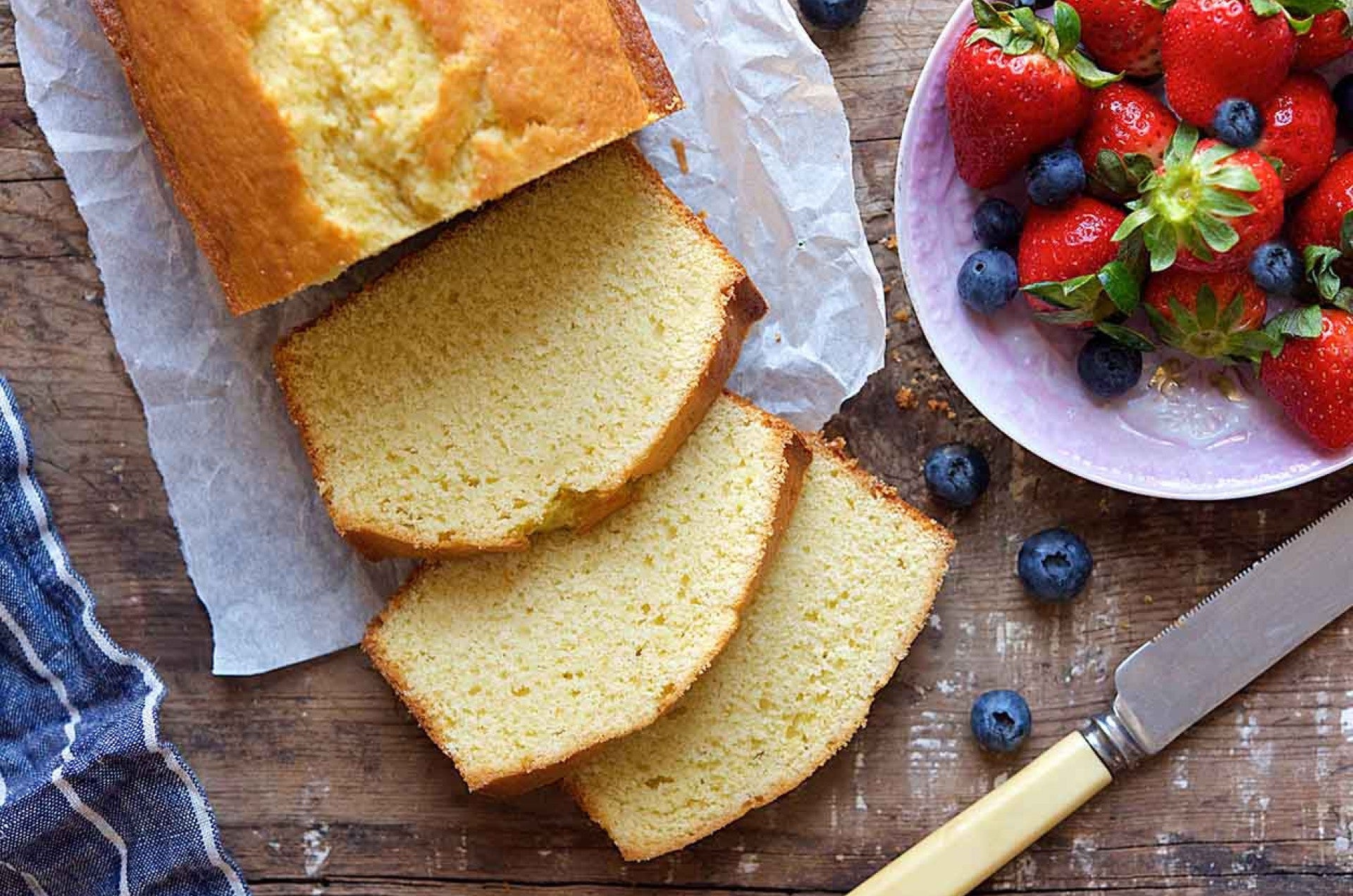
King Arthur's Original Pound Cake

Pound cake is the original, or "grandmother," of all butter cakes. This particular pound cake is incredibly rich; fortunately, a very thin slice goes a long way.

Test Kitchen notes:
  • While a traditional pound cake has no leavening other than air and eggs, our recipe includes some baking powder as well, to lighten it up a little.
  • Pound cake's flavor "matures" over time. If possible, wait until the second or even third day to slice and serve.
  • To dress the pound cake up a bit, sift a shower of non-melting sugar or confectioners' sugar over the top just before serving.

Our Best Products

Instructions

Prevent your screen from going dark as you follow along.
  1. Preheat your oven to 350°F. Lightly grease a 9" x 5" loaf pan.

  2. In a large bowl or the bowl of a stand mixer fitted with the flat beater attachment, beat the butter until very light and creamy, 2 to 4 minutes on medium speed.

  3. Beat in the sugar gradually and then the eggs, one by one. Scrape the bottom and sides of the bowl, and beat until the mixture is very light and fluffy.

  4. In a separate bowl, whisk together the flour, baking powder, and salt.

  5. In another small bowl, whisk together the milk, alcohol of your choice, and extract.

  6. Add one-third of the flour to the batter, beating gently to combine. Gently beat in half of the liquid ingredients. Mix in another third of the flour, then the remaining liquid. Stir in the remaining flour. Scrape the sides and bottom of the bowl, then beat until the batter is smooth and fluffy, about 20 to 30 seconds at medium-high speed.

  7. Pour the batter into the prepared pan, smoothing the top.

  8. Bake the pound cake for 60 to 65 minutes, until it springs back when pressed lightly on top, and a long toothpick or thin knife inserted into the center comes out clean or with a few moist crumbs clinging to it. If the cake appears to be browning too quickly, tent it with foil for the final 15 minutes of baking.

  9. Remove the cake from the oven, and loosen its edges. Wait 5 minutes, then carefully turn it out of the pan onto a rack to cool.

  10. Store, wrapped in plastic, for a day or two before serving. Wrap well and freeze for longer storage. 

Tips from our Bakers

  • Want an even lighter cake? Separate the eggs before you begin. After beating the butter and adding the sugar, beat in just the egg yolks. Beat the whites separately until they form stiff peaks, and fold them in after all the other ingredients have been combined. Make sure to use a very large mixing bowl.
  • Why is it called a "pound cake"? It gets its name from the easy-to-remember traditional proportions of ingredients: a pound of butter + a pound of flour + a pound of sugar + a pound of eggs. Modern pound cakes, including our recipe, riff a bit on the historical formula but share the dense, buttery crumb of the originals.

  • When you cream (beat) butter, it may seem at the beginning as if you're just mashing it flat. But if you persevere, you'll begin to see it get fluffy. What you're really doing is adding air. When you beat the butter with sugar, it becomes even fluffier, evidence of more air. And when the eggs are beaten in, the fluffiness is at its peak. That's why this part of the mixing is so important. The more air bubbles you can beat in at this stage, the more air bubbles there are to expand in the heat of the oven. Baking powder or soda can do part of the work of leavening, but the more air bubbles you can get into a batter manually, the finer and lighter the texture of the finished cake.
  • Why add the dry ingredients and wet ingredients alternately? This method helps prevent overmixing and ensures a smooth batter without pockets of dry ingredients. The gentler mixing produces a pound cake with a more tender crumb than one made from a vigorously mixed batter, where the ingredients were added all at once.