


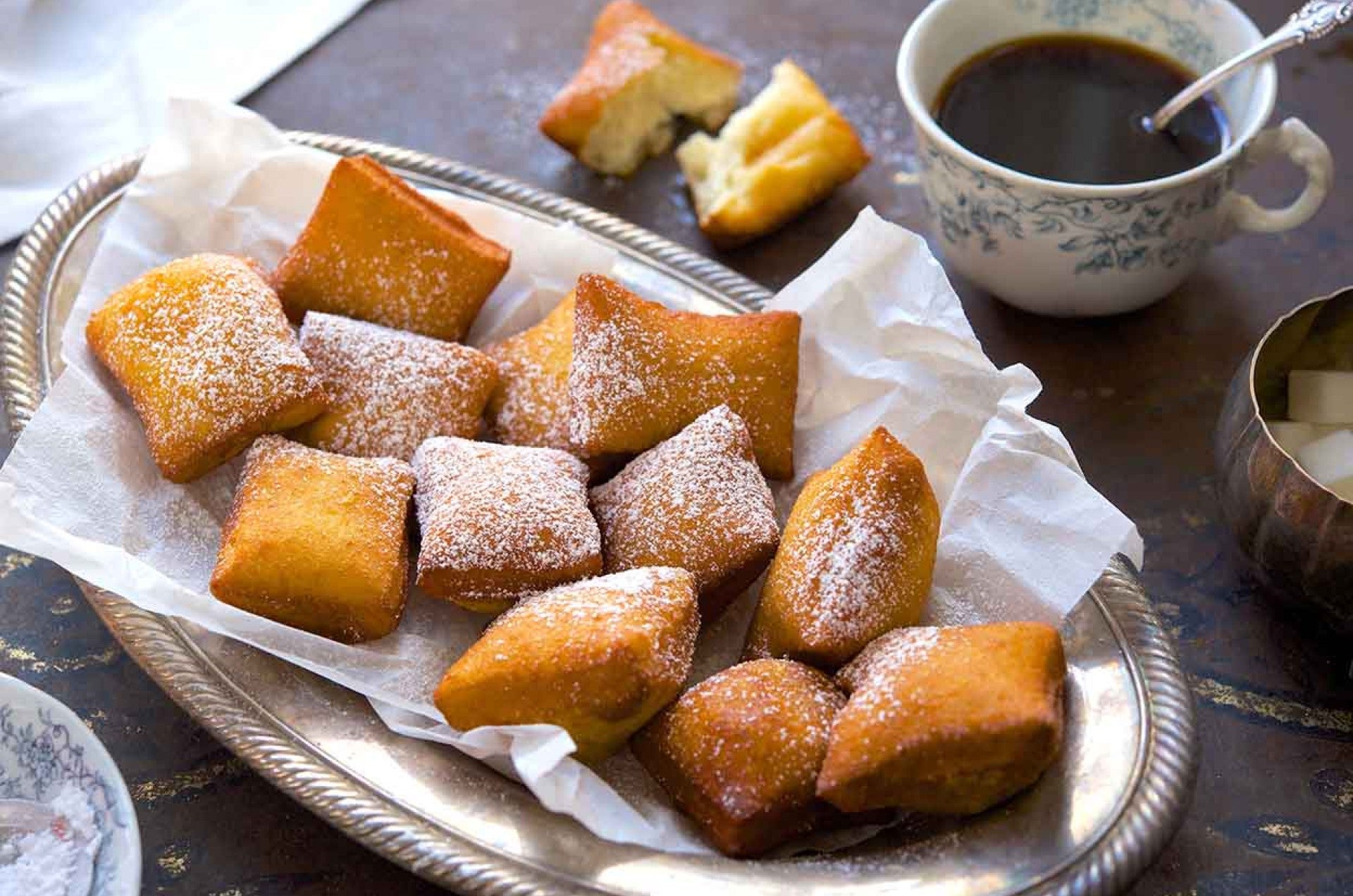

Classic Beignets

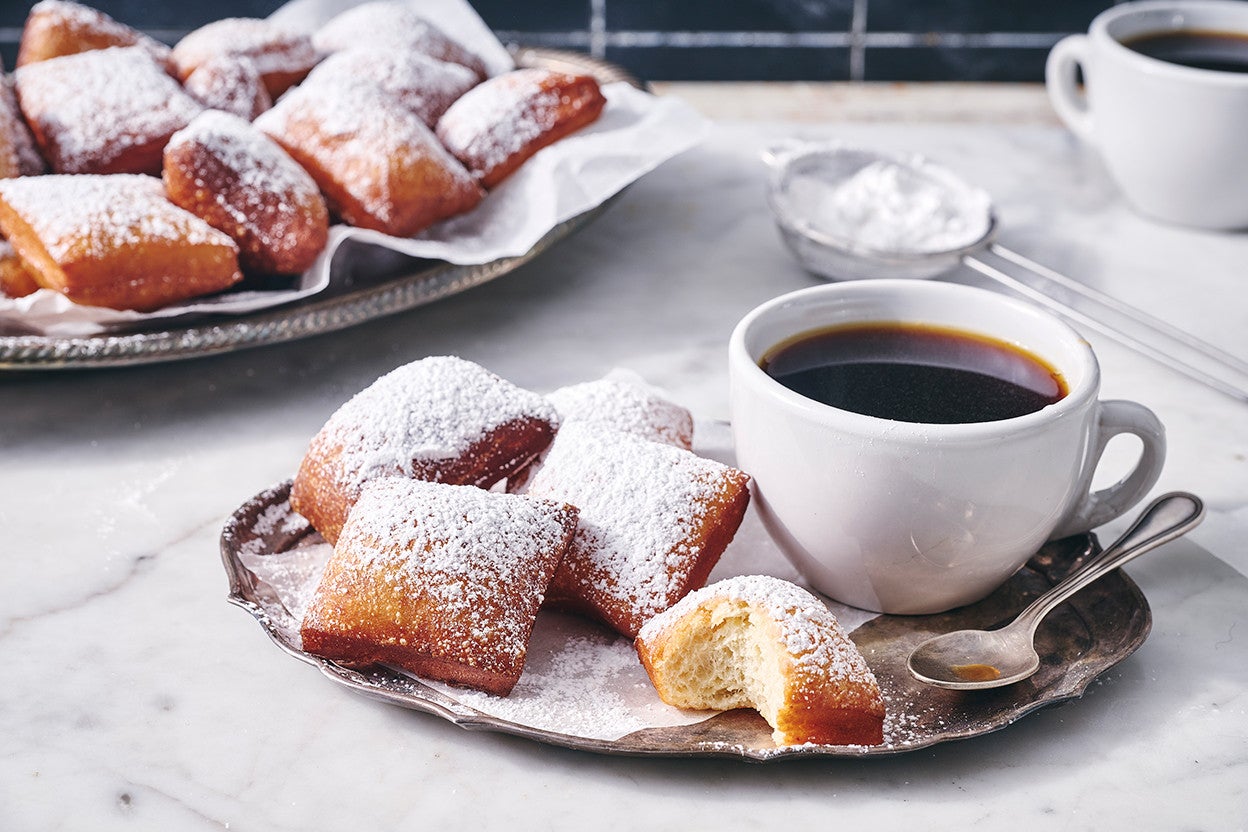
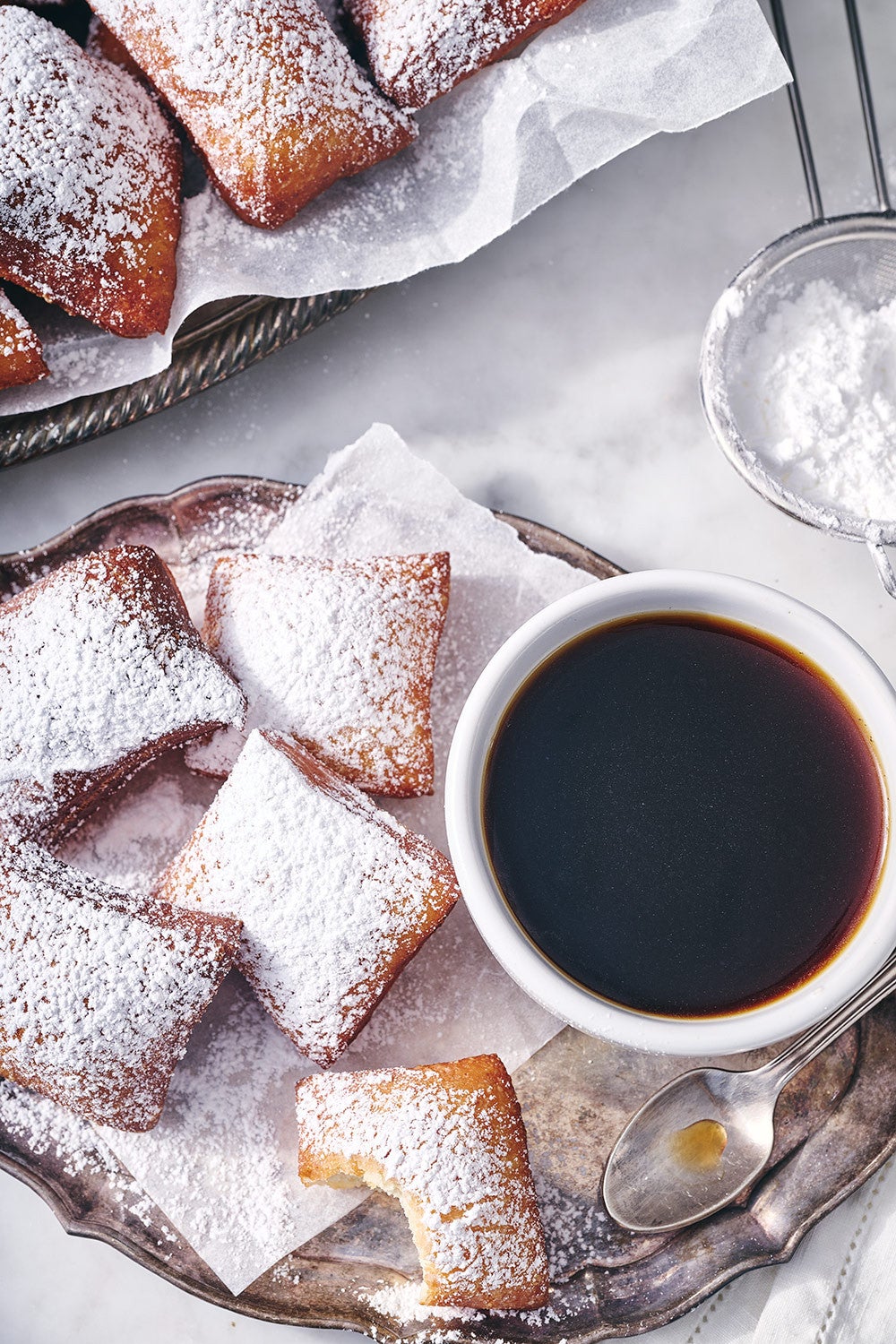
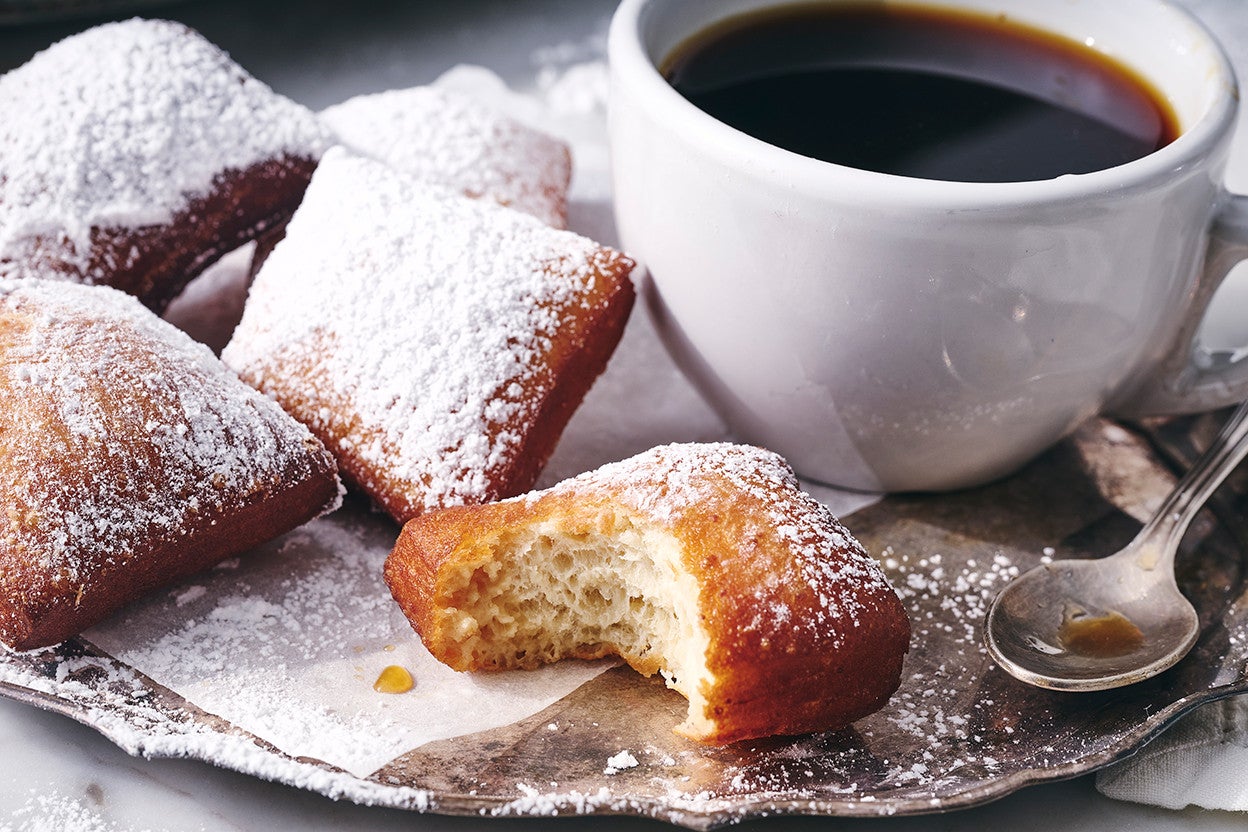
Beignets are a signature yeast-raised breakfast treat native to New Orleans. They're dusted heavily with confectioners' sugar and traditionally paired with incredibly strong black coffee laced with chicory. Our version uses yeast and an overnight rest to create a fluffy texture and complex depth of flavor.

Test Kitchen notes:
  • The temperature of the frying oil is key here — it should be 360°F. Use a thermometer to test the temperature periodically, and adjust the heat as necessary. 
  • Beignets, like many fried treats, are best served fresh. Day-old beignets can be rewarmed in the microwave briefly, but they won't be nearly as good as those served hot from the fryer. Portion out only as much dough as you think you'll go through that day; keep the rest in the refrigerator to fry the following day, for up to 2 days.

Our Best Products

Instructions

Bake Mode
Keep screen from going dark
  1. In a large bowl or the bowl of a stand mixer fitted with the dough hook, combine all of the dough ingredients, and mix and knead them together until you've made a soft, smooth dough. (You can also mix the dough ingredients in the bucket of a bread machine set to the dough cycle.) 

  1. Allow the dough to rise, covered, for 1 hour, or until it's puffy (though not necessarily doubled in bulk).

  2. Gently deflate the dough, and place it in a greased bowl or greased plastic bag, choosing a bowl or bag that will allow the dough to expand. Cover and refrigerate overnight, or for up to 2 days.

  3. Remove the dough from the refrigerator and place it on a lightly greased or floured work surface; a silicone rolling mat works well here.

  4. Roll it into a 14" x 10" rectangle, squaring off the corners as well as you can without being overly fussy.

  5. Cut the dough into 2" squares.

  6. Pour the oil to a depth of at least 3/4" in a 10" electric fry pan (first choice), or a deep, heavy-bottomed 10" skillet or pot set over a burner.

  7. Heat the oil to 360°F, and drop 5 or 6 squares of dough into the hot oil. They'll sink to the bottom, then after about 5 seconds or so, rise to the top.

  8. Fry the beignets for 1 minute, then use a pair of tongs or a dough whisk to turn them over. Fry for another minute, until the beignets are puffed and golden brown all over.

  9. Remove from the oil and drain on paper towels. Repeat with the remaining dough until all the beignets are fried.

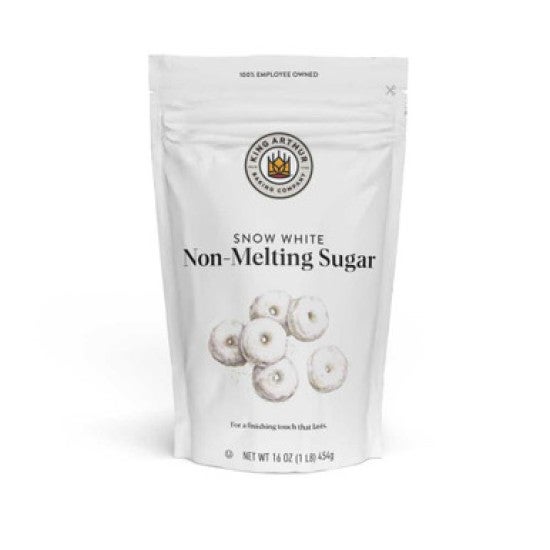
  10. When the beignets are cool, sprinkle them heavily with confectioners' sugar or Snow White Non-Melting Sugar before serving.

Questions Bakers Ask

Can I reuse frying oil?

You can reuse frying oil once you've used it to make beignets, up to several times. To reuse frying oil, you simply need to strain it and store it in a lidded container in a cool, dark place. Once you’re done frying, let the oil cool completely in the frying vessel. Once it’s cooled, strain it — ideally using a cheesecloth set in a fine mesh strainer, but just using a strainer by itself will work — into a clean vessel, like a glass jar or the original container it came in. Just remember that frying oil takes on the flavor of whatever it originally fried. Keep this in mind for future frying projects.

What is the best way to dispose of frying oil?

Once it's eventually time to dispose of the frying oil, you have several options. Check them out in our blog post about how to discard frying oil.

What went wrong if my beignets soaked up a lot of oil?

When the temperature of the frying oil is too cool, the beignet dough will absorb the frying oil, creating a soggy, saturated layer. To avoid this, make sure you're measuring the temperature with a digital thermometer periodically and frying in small batches (5 to 6 beignets at a time). 

What happened if my beignets are too dark or undercooked in the center?

If the exterior of the beignets gets too dark before the center is fully cooked, the oil is too hot. Turn down the temperature of the heat and try frying the beignets at a slightly lower temperature. Remember that you can fry one beignet at a time while you're dialing in the temperature of the oil. Consider those first few beignets to be testers!