




The country of France has provided the baking canon with no shortage of classics. But outside of croissants, éclairs, madeleines, and macarons, there’s still one classic recipe that flies under the radar. Meet French buttercream: If you ever wished the frosting on your celebration cake was as good as the cake layers beneath, this rich and silky style of frosting is worth a try. With a smooth, custardy texture, French buttercream is elevated but still approachable, both from a taste and technical standpoint. Here’s why it demands your attention.
While most classic European buttercreams (such as Italian or Swiss buttercream) are made with egg whites whipped to a stiff meringue, French buttercream is made exclusively with egg yolks instead.
Said to have originated in the early 20th century, this buttercream style has connections to pâté à bombe, a classic French dessert base of hot sugar syrup and egg yolks whipped until the mixture reaches a light, creamy consistency, typically used in mousses and semifreddos. To make French buttercream, egg yolks are whipped, then a hot sugar syrup is streamed in and the mixture is beaten until stiff, pale, and voluminous. Then, similar to other buttercream styles, softened butter is gradually beaten into the egg mixture to create a smooth and sturdy buttercream frosting.
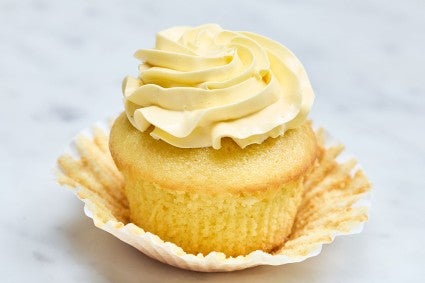
French buttercream is distinguished by its rich, custard-like flavor and golden color, which comes from using fat-rich egg yolks instead of just egg whites (the method used for Swiss and Italian buttercreams). And it differs greatly from simple, classic American buttercream, which is made by beating softened butter with confectioners’ sugar (no eggs!) to make a thick, sweet frosting.
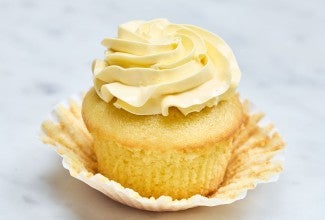
In a way, French buttercream breaks many of the most frequently cited baking conventions, particularly because egg yolks (and only egg yolks) serve as the frosting’s emulsifier. Because the egg yolks bind the sugar and butter so well, French buttercream is the type of frosting that’s incredibly stable and pipeable. Those egg yolks also yield a richer frosting with a pastel yellow hue emblematic of delicious French butter, with a smooth, silky texture.
Though French buttercream could be new to you, it has the stamp of approval from many trustworthy bakers. “I love French buttercream for its incredible richness,” says Aya Caliva, a baker and the blogger behind Pastry Living. “It tastes like the creamiest vanilla ice cream, but in an airy form.” That signature ice cream-like flavor comes from French buttercream’s use of egg yolks (similar to the custard base of classic vanilla ice cream). If you’re a novice at frosting cakes, Aya recommends French buttercream, because the egg yolks make it stable enough to pipe designs without losing its shape.
King Arthur Recipe Developer David Turner loves its "smooth, glossy, velvety texture" and notes that, despite its yellow hue, "it's great at taking on different colors and flavors."
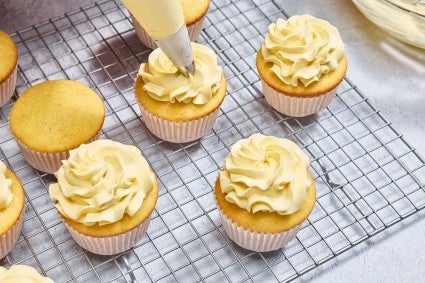
French buttercream is the frosting to choose when you want something luxurious and worthy of a celebration to spread on a layer cake or pipe on cupcakes. It is also a solid choice when you want to make cream-filled baked goods, such as French macarons or sandwich cookies. (Macarons are a particularly good companion, since you can use egg whites to make the batter and the leftover egg yolks to make French buttercream.)
If you’re after a frosting that tastes creamy and indulgent but is not overly sweet, French buttercream is for you. It’s also easy to customize with a myriad of flavors: A splash of vanilla bean paste is used in our recipe, but French buttercream can be a base to make chocolate, fruit, and other frosting flavors. Check out the tips at the bottom of King Arthur’s French Buttercream recipe for ideas to get you started.
Cover photo by Patrick Marinello; food styling by Yekaterina Boytsova.